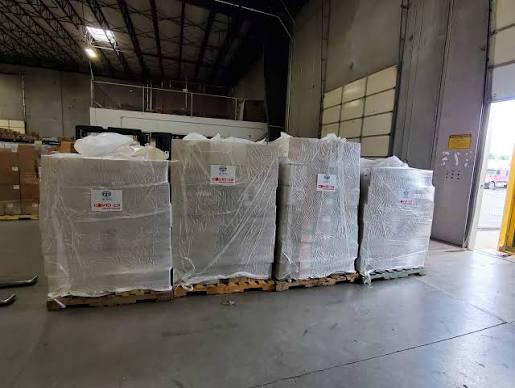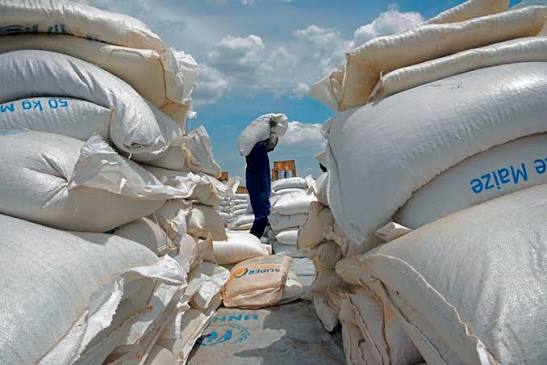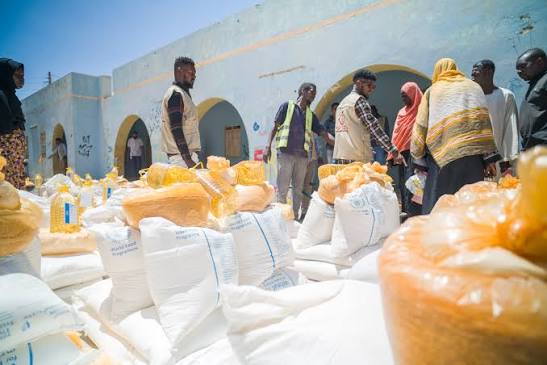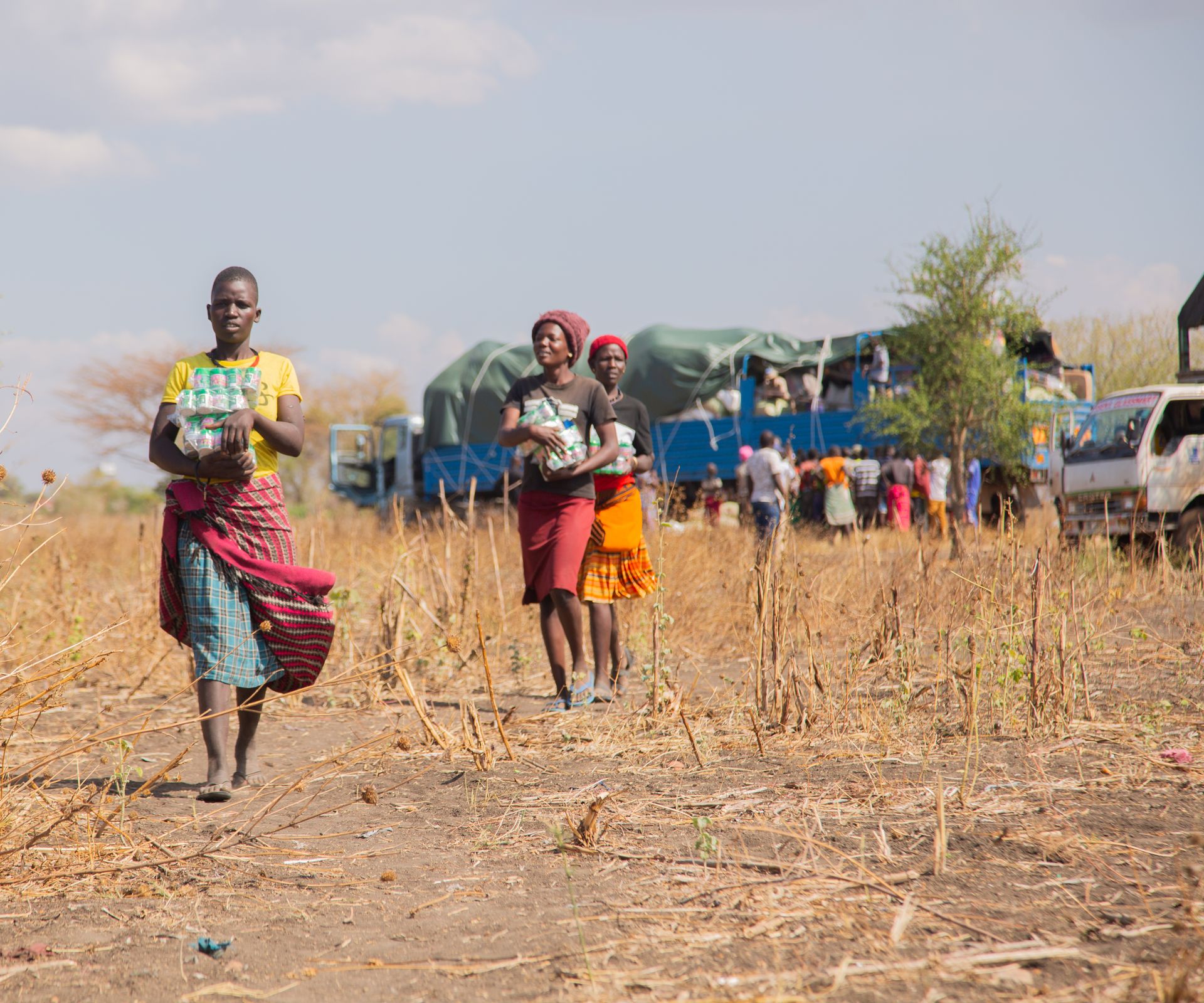
Food aid supplies in Uganda are essential for humanitarian responses in Karamoja, refugee settlements (Bidibidi, Nakivale, Kyangwali), and all 136 districts. Jumla Uganda delivers:
Trusted by WFP, UNICEF, FAO, and international NGOs. Fast delivery with customs clearance support.
bolt Emergency food aid – Same‑day cost estimates available
For over a decade, Jumla Uganda has been a leading supplier of food aid supplies in Uganda, partnering with WFP Uganda, UNICEF Uganda, FAO Uganda, and dozens of international and local NGOs. We understand that emergency food relief and nutrition programmes require products that meet stringent quality standards and arrive on time, every time.
From our warehouse hubs in Kampala, Entebbe, Jinja, Gulu, Mbarara, and Arua, we deliver to every corner of Uganda – including the drought‑affected Karamoja region, West Nile, and all major refugee settlements. Our team works hand‑in‑hand with the Uganda National Bureau of Standards (UNBS), the Office of the Prime Minister – Disaster & Refugee, and the Uganda Revenue Authority (URA) to ensure every consignment is fully compliant and tax‑exempt where applicable.
Whether you need RUTF for malnourished children, fortified flours for school feeding, or emergency ration packs for disaster response, we offer a single‑source solution backed by certified quality, transparent pricing, and rapid delivery. Chat with us for a same‑day cost estimate.
From emergency therapeutic feeding to school meals and refugee rations, we stock and source the full range of food assistance products required for humanitarian and development programmes in Uganda.
RUTF for treatment of severe acute malnutrition. WFP-compliant, UNBS-certified, and available in 92g sachets and bulk packs. Used by UNICEF, MSF, and nutrition programmes nationwide.
Fortified maize flour and fortified soya blend (Super Cereal) for school feeding, general food distribution, and refugee rations. Complies with WFP and UNBS specifications.
Vegetable oil and fortified cooking fats for humanitarian food baskets. Supplied in 1L, 5L, and 20L containers. Meets WHO and national fortification standards.
Beans, peas, and maize grain for general food distributions. Sourced from local farmers and verified for quality, aflatoxin-free, and UNBS-certified.
Ready-to-eat emergency rations for disaster response. Includes high-energy biscuits, fortified bars, and shelf-stable meals. Ideal for rapid deployment in flood, drought, and conflict zones.
Micronutrient powders (MNP), lipid-based nutrient supplements, and vitamin A supplements for maternal and child health programmes. Compliant with WHO and UNICEF standards.
Need a custom food basket? We assemble bespoke food aid packages for school feeding, refugee settlements, and emergency nutrition responses in 7–14 days.
💬 Chat on WhatsApp for a tailored quoteFood aid programmes in Uganda are supported by international donors and UN agencies. Understanding the funding landscape helps NGOs and partners navigate procurement requirements.
WFP is the largest provider of food aid in Uganda, reaching over 1.5 million refugees and communities in Karamoja. Their Country Strategic Plan (2026-2030) focuses on emergency food assistance, nutrition, and resilience building.
USAID funds food aid through the Bureau for Humanitarian Assistance. Support includes emergency food distributions, school meals, and nutrition programmes targeting children and mothers in vulnerable communities.
The UK is a major donor to Uganda's refugee response and food security programmes. Funding supports WFP's operations and nutrition interventions in refugee settlements and host communities.
The EU provides humanitarian aid for food assistance, nutrition, and agricultural resilience, focusing on Karamoja and refugee-affected districts.
Ireland supports WFP Uganda with funding for refugee food assistance and nutrition programmes. Irish Aid also contributes to development programmes addressing food insecurity.
France funds nutrition and refugee support programmes in Uganda, with a focus on treating malnutrition and strengthening local health systems.
Uganda faces complex food supply challenges. Here are the key problems and how they impact communities across the country.
Recurrent droughts, particularly in Karamoja and parts of the Cattle Corridor, lead to crop failure, livestock loss, and acute food shortages. Climate projections suggest increased frequency of extreme weather events, worsening food insecurity.
Up to 30% of Uganda's agricultural produce is lost after harvest due to poor storage, handling, and processing. Aflatoxin contamination affects maize, groundnuts, and other staples, posing serious health risks and limiting market access.
Fluctuating commodity prices, regional trade dynamics, and inflation affect household purchasing power. Many families in Uganda rely on markets for food, making them vulnerable to price spikes. Food aid programmes help bridge the gap during periods of high prices.
Uganda hosts over 1.5 million refugees, placing strain on food systems and natural resources. Refugee settlements like Bidibidi, Nakivale, and Kyangwali require significant food aid to meet the needs of displaced populations.
The World Food Programme (WFP) is the leading humanitarian organization in Uganda, providing food assistance to refugees, malnourished children, and communities affected by climate shocks.
Baimankay Sankoh is the current WFP Uganda Country Director, leading WFP's operations since 2024. He oversees emergency food assistance, nutrition programmes, and resilience building across all 136 districts. Sankoh brings extensive experience in humanitarian response, having previously served in senior roles in East Africa and the Sahel.
WFP Uganda's Country Strategic Plan (2026-2030) focuses on:
Uganda's cuisine reflects its diverse cultures and agricultural abundance. From staple foods to iconic street snacks, here are the most famous foods you'll find across the country.
Matooke is Uganda's national staple food. Green bananas are peeled, steamed, and mashed into a soft, starchy dish. It's typically served with groundnut stew, meat, or fish. Matooke is central to Ugandan cuisine and culture, particularly in the Central and Western regions.
The Rolex is Uganda's most iconic street food. It's a chapati rolled with eggs, vegetables, and sometimes meat. The name comes from "rolled eggs." It's a popular breakfast and snack, sold by vendors across Kampala and major towns. A true Ugandan innovation.
Groundnut (peanut) stew is a beloved dish across East Africa. In Uganda, it's made with groundnut paste, tomatoes, onions, and leafy greens. It's often served with matooke, posho (maize porridge), or rice. Rich in protein and flavor, it's a staple in many households.
Stay informed about the latest government and UN-led food relief efforts in Uganda's most food-insecure region.
UPDF and OPM coordinate distribution of 9 million kilos of relief food to drought-affected communities.
Read more → 📄Government of Uganda announces details of food distribution, including quantities and logistics.
Read more →Watch the latest video coverage of emergency food aid launch in Karamoja.
| Supplier | Gap | Jumla Advantage |
|---|---|---|
| Westland Relief | Food only – no RUTF or specialized nutrition | ✅ Full range: RUTF, fortified flours, oil, pulses, emergency rations |
| Local traders | No certification, no WFP compliance documentation | ✅ UNBS-certified, WFP-compliant, full documentation |
| UNGM international firms | High MOQs, long lead times, complex procurement | ✅ Low MOQs, local stockholding, rapid 7–10 day dispatch |
| Generic importers | No aflatoxin testing or quality assurance | ✅ Comprehensive lab testing for aflatoxin, nutrition, and shelf-life |
Food aid supplies Uganda delivered with integrity, speed, and certified quality.
Uganda faces recurrent food insecurity due to drought, climate change, refugee influx, and market disruptions. Food aid plays a critical role in saving lives and building resilience. Here's what you need to know.
Karamoja is Uganda's most food-insecure region, with recurrent droughts and chronic malnutrition. Emergency food aid, including RUTF and fortified flours, is essential for saving lives. The government and UN agencies regularly launch food relief distributions to the region.
Uganda's food aid is funded by WFP, UNICEF, FAO, and international donors including Ireland, France, Denmark, the UK, and the USA. These funds support emergency food distributions, school feeding, and nutrition programmes across all districts.
Key challenges include drought and climate change, post-harvest losses, aflatoxin contamination, and market price volatility. These factors worsen food insecurity, especially in Karamoja and refugee-hosting districts.
Uganda hosts over 1.5 million refugees, primarily from South Sudan, DRC, and Somalia. Food aid is a core component of refugee response, with WFP and partners providing monthly rations, nutrition supplements, and school feeding. Our supplies reach all major settlements including Bidibidi, Nakivale, Kyangwali, and Rhino Camp.
We work closely with the Uganda National Bureau of Standards (UNBS), the National Drug Authority (NDA), and the Uganda Revenue Authority (URA) to ensure every food aid product meets rigorous quality, safety, and fortification standards.
We are registered with the Uganda National NGO Bureau and maintain active partnerships with ULGA and the EAC to streamline cross‑border logistics.
Chat with us to discuss your compliance requirements and get a clear path to procurement.
We deliver food aid supplies Uganda to every corner of the country – from Kampala, Entebbe, Jinja, Gulu, Mbarara, and Arua to the most remote communities in Karamoja, West Nile, and the Albertine Graben. Our logistics network covers all major refugee settlements including Bidibidi, Nakivale, Kyangwali, and Rhino Camp.
We handle everything from last‑mile delivery to customs clearance for imported food aid, working with the Uganda Revenue Authority (URA) to secure humanitarian tax exemptions and streamline border crossings. Emergency food relief arrives on time, every time.
💬 Chat on WhatsApp for delivery scheduling
Speak to our food aid procurement team – Chat on WhatsApp
Kampala, Uganda – East Africa
Mon – Fri – 08:00 – 18:00 EAT
Chat with our procurement team for a same‑day cost estimate on any food aid supply category.
chat Chat on WhatsApp